Governance
Legal organisation
The Euroregion Pyrenees Mediterranean is a European Grouping of Territorial Cooperation (EGTC), a legal entity defined in the framework of European Regulation (EU) No 1302/2013 of the European Parliament and of the Council of 17/12/2013 amending Regulation (EC) No 1082/2006.
Its new standing rules and convention obey this European regulation, as well as the French law of territorial “collectivités” given that the EGTC is based in France.
Its members fund to a large extent the operation of the organisation and the Euroregion’s multiannual action plan. The other part of its funding comes from European Union funds, i.e. from its different programmes, be it on cooperation (the INTERREG programmes) or from other sectorial calls such as LIFE, Horizon Europe and Europe Creative. A small part of the funding can also come from other partners’ contributions, either public or private.
The Euroregion’s budget varies depending on the years, the calls, the European projects underway and the actions scheduled.
Check our YouTube channel to watch a presentation video of the Euroregion!
Members
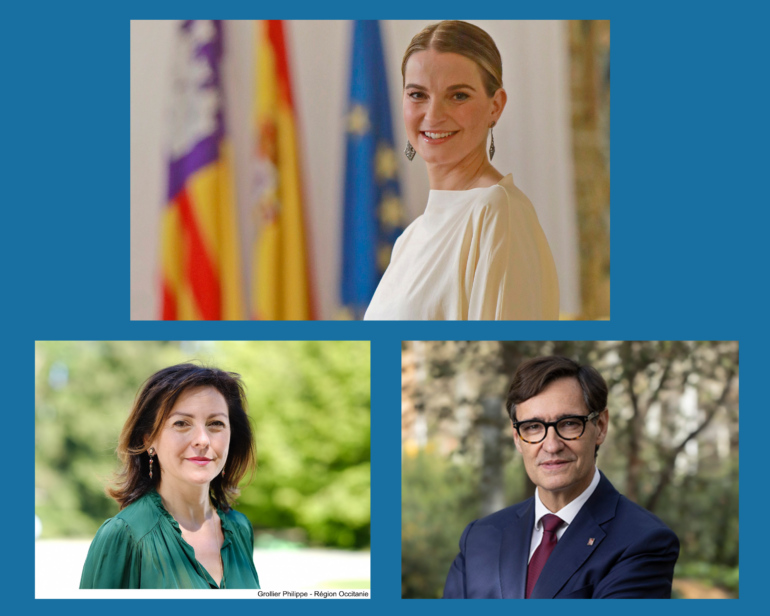
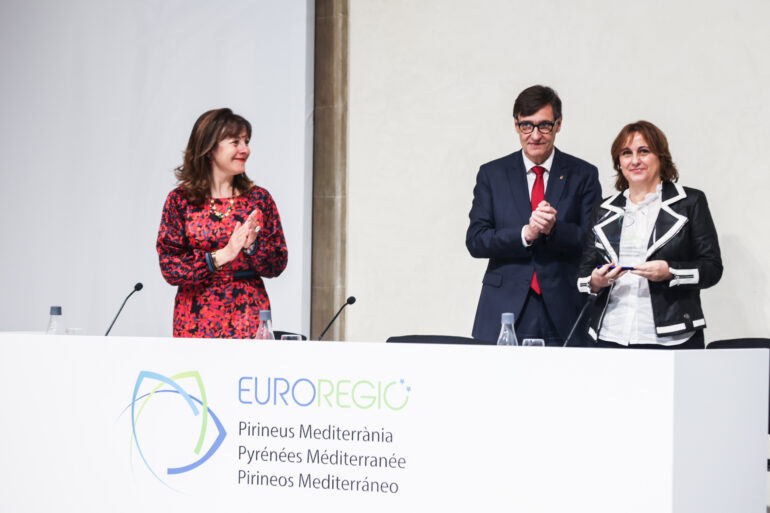
The EGTC Euroregion Pyrenees Mediterranean is formed by its 3 founding members: the Région Occitanie (previously Midi-Pyrénées and Languedoc-Roussillon), the Government of Catalonia and the Government of the Balearic Islands.
Catalonia
Catalonia covers a surface area of 31,950 km². It has over 7,673 million inhabitants (Idescat, on 01/07/2019), i.e., 17% of the population of Spain. Its GDP is 250,597 million euros (Idescat, 2019) and it provides 20.12% of Spanish GDP.

The Balearic Islands
The Balearic Islands comprises four Mediterranean islands (Majorca, Minorca, Ibiza and Formentera) and several islets. It has a surface area of 4,992 km² and 1,149,460 inhabitants (IBESTAT, 2019). Its GDP is 33,716 million euros (IBESTAT, 2019) and it occupies sixth place in GDP per capita among Spanish autonomous regions.
Occitanie
The Région Occitanie has a surface are of 72,724 km². It is a region in Southern France with over 5.9 million inhabitants (INSEE, 2019), accounting for 9% of the French population. With a GDP of 159,115 million euros (INSEE, 2015), it provides 7.7% of French GDP.
Presidency
The presidency is based on a two-year rotating system among its members; since April 2025, the Presidency of the Euroregion is assumed by the President of the government of the Balearic Islands, Margalida Prohens.
You will find here the programme of the Balearic presidency of the Euroregion 2025-2027 in Catalan or in French. The Govern of the Balearic Islands also dedicates this webpage to the Euroregion.
You can also consult the detailed document of the assessment of the Catalan presidency of the Euroregion 2023-25 (FR).
Commissions and work groups
The Euroregion has five thematic committees and various working groups made up of experts from the sectoral departments or agencies of the three members to monitor specific actions and projects in greater detail.
| Innovation commission | |
|
|
| Tourism commission | |
|
|
| Higher education and research commission | |
Euroregion’s commissions:
- They are responsible for implementing the multi-year action plan set out in the 2030 roadmap;
- They finance the actions that correspond to them;
- They monitor Euroregion’s strategic projects, including Euroregional calls for proposals, as well as European projects in which the Euroregion is a partner;
- They participate in the selection panels for projects submitted in response to calls for proposals;
- They are made up of political and technical representatives from the departments and sectoral agencies of each of the three members;
- They are led by the Secretary General of the Euroregion, with the support of the technical secretariat.
Working groups:
The Euroregion also has working groups to monitor specific actions and projects led by or involving the Euroregion in greater detail. They participate in defining projects and potentially in their financing. They are associated with the committees.
The Technical Secretariat of the Euroregion
The Technical Secretariat of the Euroregion comprises the agents contracted by the EGTC Euroregion Pyrenees Mediterranean, whether civil servants or contracted staff, in order to ensure the smooth running of the institution and monitoring of the action plan and European projects in which it participates. It is led by the Secretary General.
The Secretary General:
He is appointed by the Presidency at the proposal of the General Assembly and leads the activity of the European Grouping of Territorial Cooperation (EGTC) in the framework of the guidelines and missions decided by the Assembly and by delegation of the Presidency. The Secretary General prepares the budget and the deliberations of the Assembly and ensures the general management of the EGTC, among other duties.
The Technical Secretariat comprises:
MANAGEMENT TEAM


ADMINISTRATION AND HUMAN RESOURCES


PROJECT LEADERS

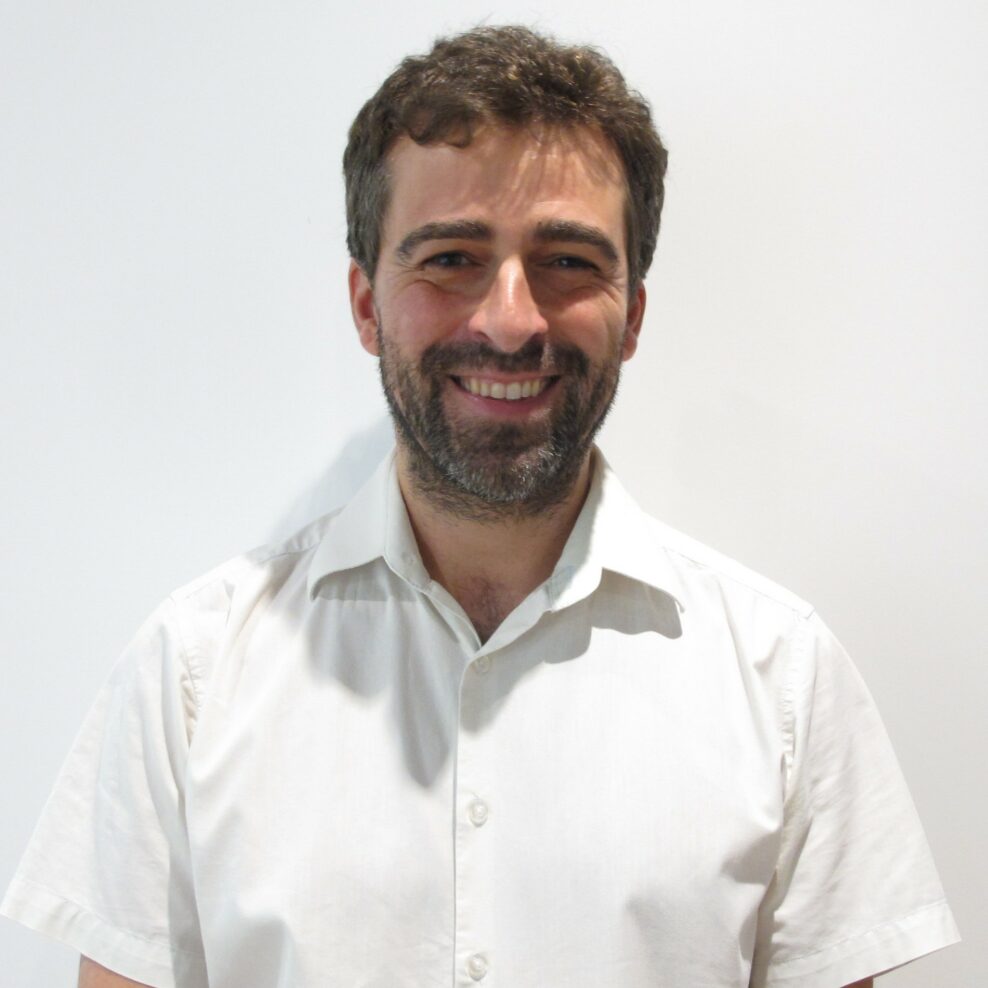

PROJECT SUPPORT

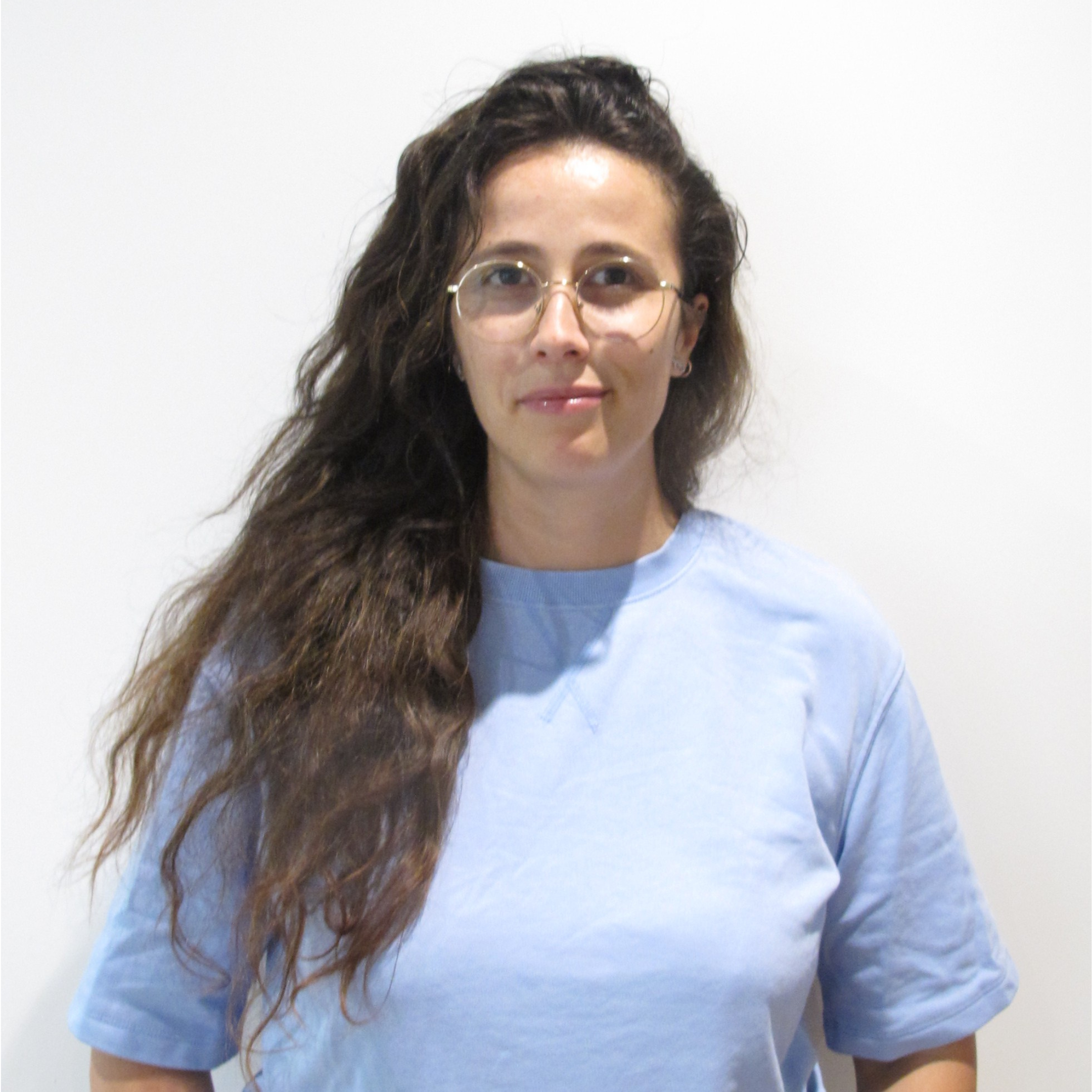
COMMUNICATION


PROJECT ASSISTANT