Governance


Operation
The Euroregional Youth Assembly is a body organized in a collegial and democratic manner, with the aim of guaranteeing the active participation and representation of young people from the different regions involved. Its structure is based on several bodies that work together to carry out the projects and objectives of the assembly. The main bodies and key aspects of the organization are detailed below:
- Plenary:
- It is the highest decision-making body of the Euroregional Youth Assembly. In the Plenary, decisions are debated and made on policies, lines of action and other important issues.
- The Plenary is made up of the members of the assembly, who are elected by territorial representation.
- Management:
- The Management is responsible for coordinating and supervising the implementation of the decisions taken by the Plenary.
- It is responsible for ensuring that the objectives of the assembly are met and that the activities and projects are aligned with the strategic lines established by the Plenary.
- Working commissions:
- The working commissions are groups of young people who are responsible for developing and managing specific projects within specific areas such as the environment, communication, culture, etc.
- These commissions allow for specialization and more in-depth work on key issues for young people, thus contributing to the implementation of the assembly’s actions.
Presidency
- The presidency of the Euroregional Youth Assembly is rotating, divided into equal periods of eight months between the territorial presidencies.
Composition
- The Assembly will be composed of a maximum of twenty-one members, with seven young people per territory (provided that there are three territories).
- The final number of members will always be a multiple of 3 to guarantee territorial balance.
Technical and administrative support
- The Euroregion’s technical team provides the necessary support for the execution of the Assembly’s tasks, continuously monitoring the actions and ensuring that the projects are carried out according to the established plan.
- In addition, the Euroregion manages the administration and budget of the Assembly, helping to coordinate the logistics and resources necessary for the smooth functioning of its activities.
Mandate and renewal
- The members of the Euroregional Youth Assembly have a two-year mandate.
- They can only request one renewal of their mandate.
- Renewal will not be automatic and applicants will have to re-apply.
This structure allows the Euroregional Youth Assembly to be a dynamic, inclusive organization that reflects in a balanced way the diverse perspectives and needs of young people in the regions involved, thus ensuring effective work that is consistent with its objectives.
Advisory Council
The Advisory Council is a consultative body without executive powers with the main purpose of advising and offering non-binding recommendations to the EYA.
It is formed and constituted exclusively by the advisory members. An honorary presidency is chosen from among its members who is responsible for representing the Council and facilitating its meetings.
The Council meets regularly according to a predefined calendar. Extraordinary meetings are convened if the need so requires, according to the criteria of its presidency or at the request of a significant number of members.
Commissions
The working commissions are the backbone of the EYA, as they carry out the bulk of the work to achieve our goals. Divided thematically – and, as far as possible, following the themes of the Euroregion –, they are responsible for raising the issues proposed for adoption at the Plenary.
The commissions are organised autonomously following their own rules and calendar; however, they meet at least once prior to the Plenary. Their agreements are always adopted by simple majority.
There are two types of commissions: transversal and non-transversal. The work of the former is transversal to all tasks, members and bodies of the EYA; while the latter have permanent teams specialised in the topics specific to their commission. Members of the EYA will be able to participate in all the transversal commissions they wish, but this is not the case for non-transversal commissions, as each member will only be able to choose one to participate in.
Non-transversal commissions
The Sustainability Commission is a working group that aims to coordinate and promote initiatives related to environmental protection and climate change. Its members are responsible for designing, implementing and supervising projects that raise awareness and involve young people in environmental issues. Some of the priority areas of their work include:
- Environmental education: Organize training and information activities for young people on topics such as sustainability, biodiversity, waste reduction and renewable energy.
- Direct action: Plan campaigns and practical projects, such as cleaning the environment, planting trees or creating urban gardens, that allow young people to actively get involved in environmental protection.
- Advocacy: Work to influence public policies on the environment and climate change, proposing proposals or positions that reflect the needs and opinions of young people.
- International collaboration: Given the Euroregional nature of the Assembly, the commission also encourages collaboration between young people from different regions, exchanging experiences and ideas to address the global challenges of the climate emergency.
This commission becomes a key space for young people, not only for personal development, but also to contribute to the creation of a more sustainable and just future.
The Commission for Inclusion and Social Rights is the working space dedicated to addressing the main social challenges affecting Euroregional youth, with the aim of promoting a more just, equitable and cohesive society. Its work focuses on four priority areas:
- Gender equality: promote proposals and activities that promote effective equality between the sexes, the prevention of sexist violence and the promotion of LGTBIQA+ rights, placing the feminist perspective at the center of all initiatives.
- Sustainable tourism and the right to housing: analyze and raise awareness about the impact of the tourism model on our territories and, especially, on access to housing for young women. The commission works to promote policies that guarantee a balance between economic activity and social well-being.
- Mental health: highlight the importance of emotional health as well as demand more resources, prevention and support to address the increase in mental health problems among young people.
- Higher education: reflect on and propose improvements in access, quality and equity in higher education, ensuring that no young person is left behind for socio-economic reasons.
With a global and inclusive perspective, this commission works to translate the concerns of young people into concrete projects and positions that are transferred to the EYA Plenary, thus contributing to strengthening social cohesion and the well-being of our generation.
The Commission on Languages and Culture is a working group within the Euroregional Youth Assembly that aims to strengthen, make visible and energize the linguistic and cultural diversity of the territories that make up the Euroregion. The objectives are to promote our languages and our cultures in all their manifestations, in addition to working for mutual knowledge between Occitania and the Catalan Countries. Its key lines of action include:
- Language promotion: promoting initiatives that encourage the use, learning and dissemination of the languages of the Euroregion, such as Catalan, Spanish and Occitan, as well as raising awareness about the importance of preserving linguistic diversity. Participation in CREOCCAT and initiatives such as Agaches.
- Advocacy and representation: working to defend linguistic and cultural diversity in the public sphere and in youth policies, developing proposals and positions that reflect the concerns and aspirations of young people in matters of culture, heritage and languages.
- Cross-border cooperation: promoting joint projects between young people from the different regions that are part of the Euroregion, encouraging the exchange of experiences and the creation of cultural networks that strengthen territorial and social cohesion.
Transversal commissions
The Communication Commission is responsible for managing all communication aspects of the organization. Its main task is to ensure that information flows effectively and that the right messages reach people and stakeholders, both inside and outside the Assembly. Some of its functions and objectives include:
- Dissemination of information: The commission is responsible for creating and sharing content related to the activities, events and projects of the Assembly. This includes the use of channels such as social networks, newsletters, and other digital media to keep members and the general public informed.
- Content creation: developing communication materials such as posters, infographics, videos and articles that help to make the work of the Assembly visible, as well as its initiatives in an attractive and clear way.
- Public relations: managing the public image of the Assembly, maintaining relations with the media, external organizations and other key actors, as well as coordinating interviews or public statements when necessary.
- Internal coordination: facilitating internal communication between Assembly members, ensuring that all working groups are aligned and that information on projects and events flows smoothly between the various commissions.
- Brand management: ensuring the coherence and visibility of the Assembly’s identity, with a special focus on its impact among youth and in the various Euroregional regions.
The Communication Commission is essential to ensure that the actions and messages of the Assembly reach the appropriate audience and to promote the active participation of youth in the various projects that are developed. Through effective communication, the commission contributes to increasing the influence and commitment of the Assembly to its objectives.
Presidency
Sira Nin Junkersfeld
Catalonia
Delphine Pérès
Occitania

Antonio López Carro
Balearic Islands
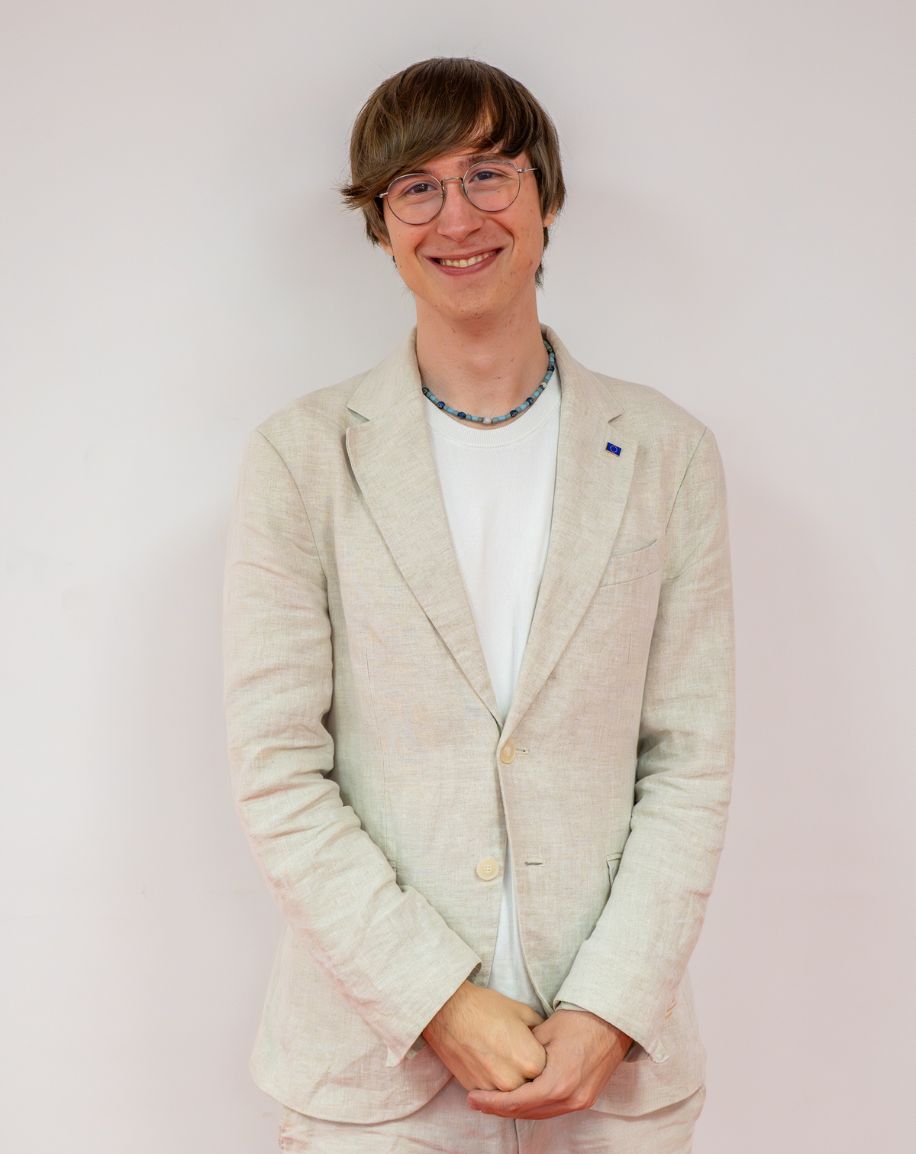
Nil Cassany Redorta
General Secretariat (Cat)
Members

Riadh Abbassi
Member (Occ)

Amàlia Amengual Perelló
Member (BI)
Antoni Bernat
Inclusion and social rights commission representative (BI)
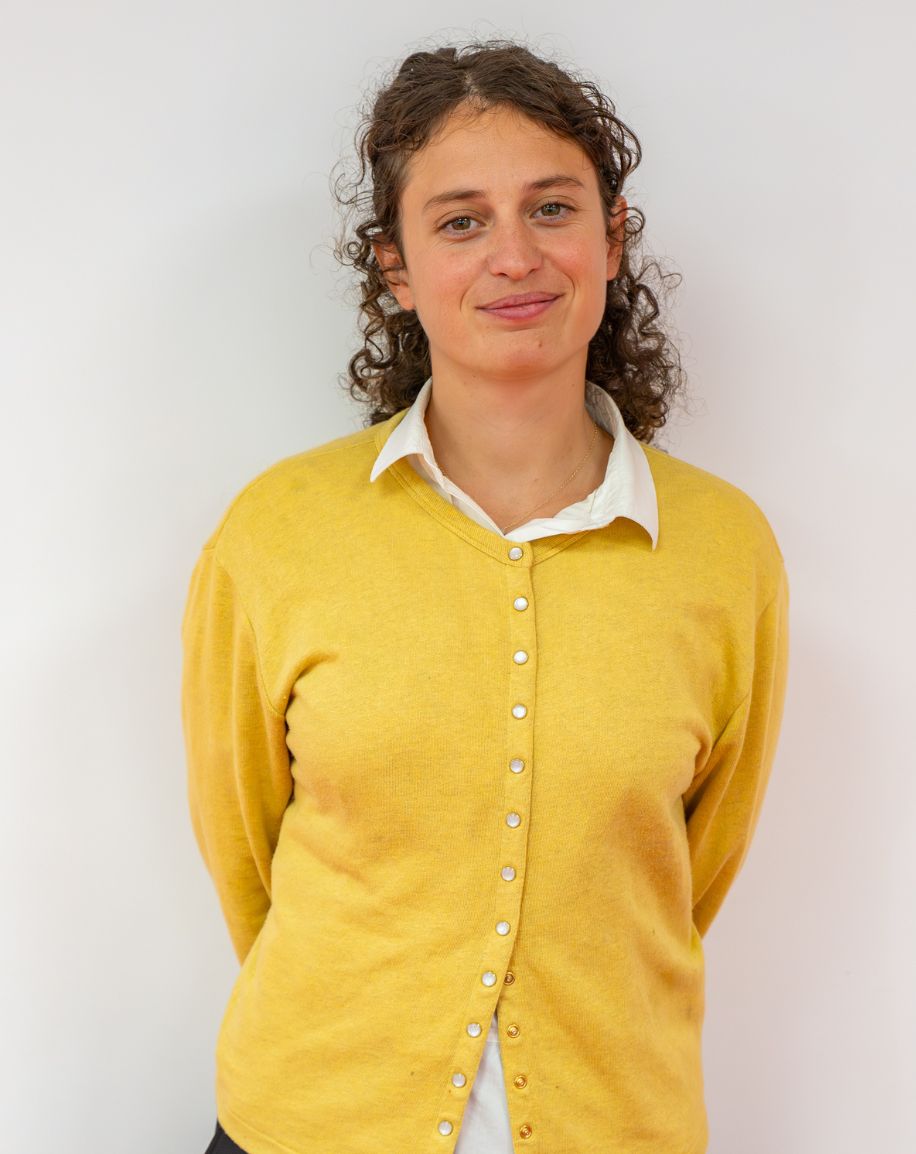
Estela Blénet
Member (Occ)
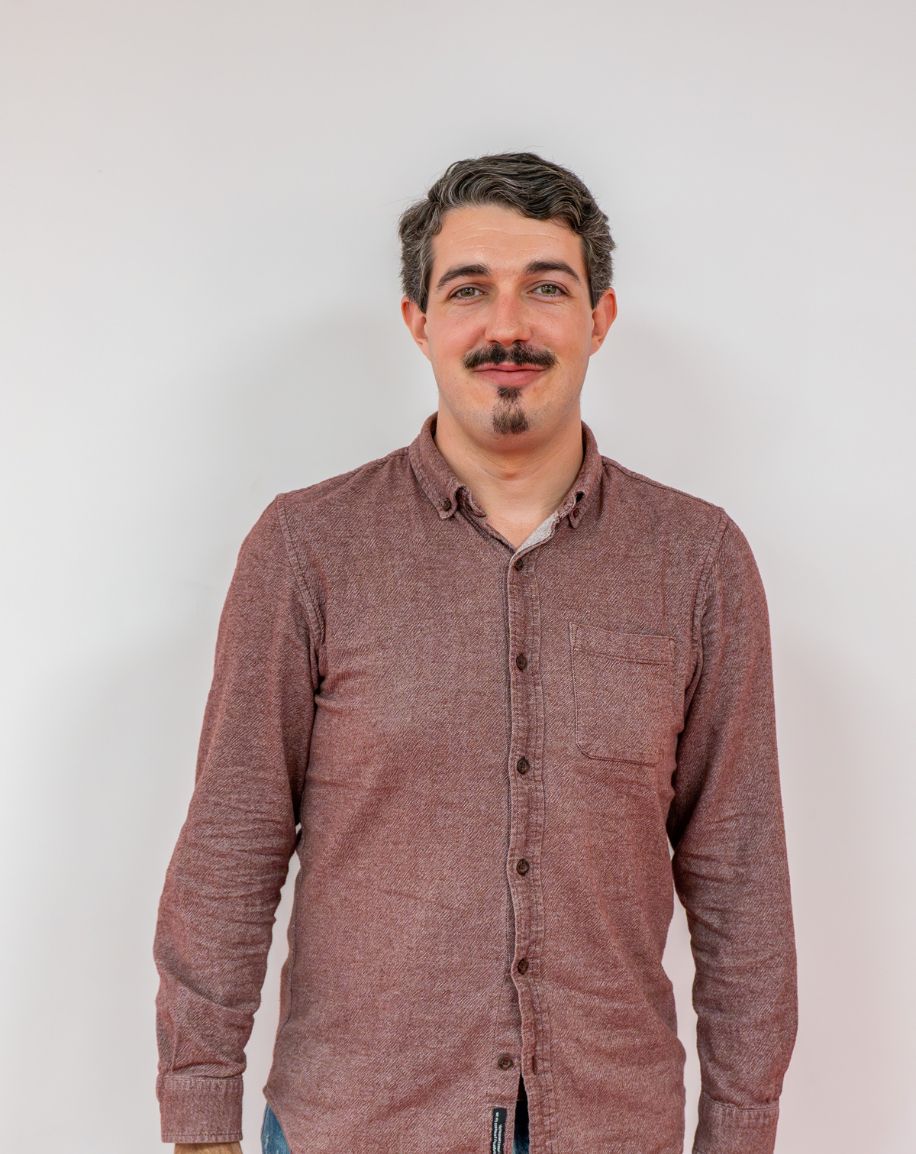
Jan Butí i Lozano
Member (Cat)

Morgan Casiñas
Member (IB)
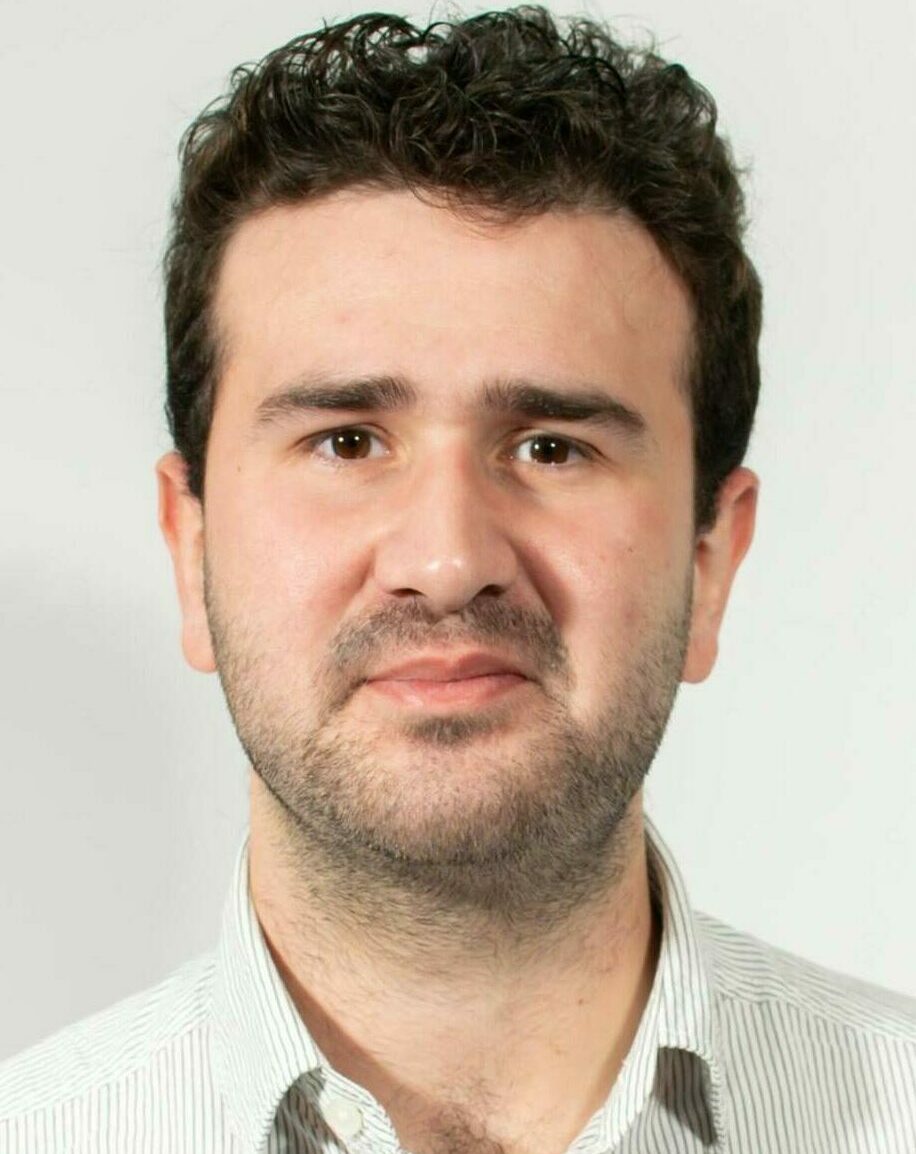
Joan Josep Soler
Deputy Secretary (BI)
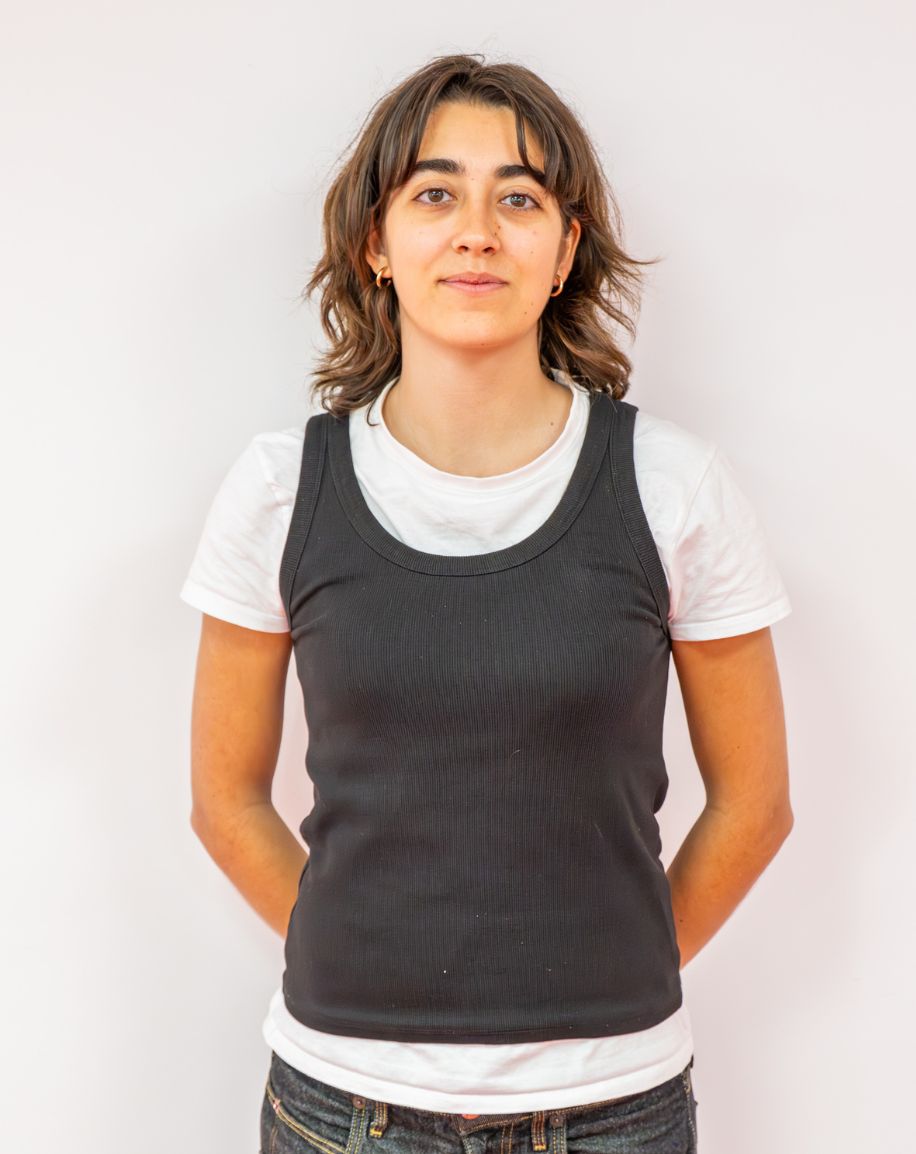
Anna Garriga
Communications commission representative (Cat)
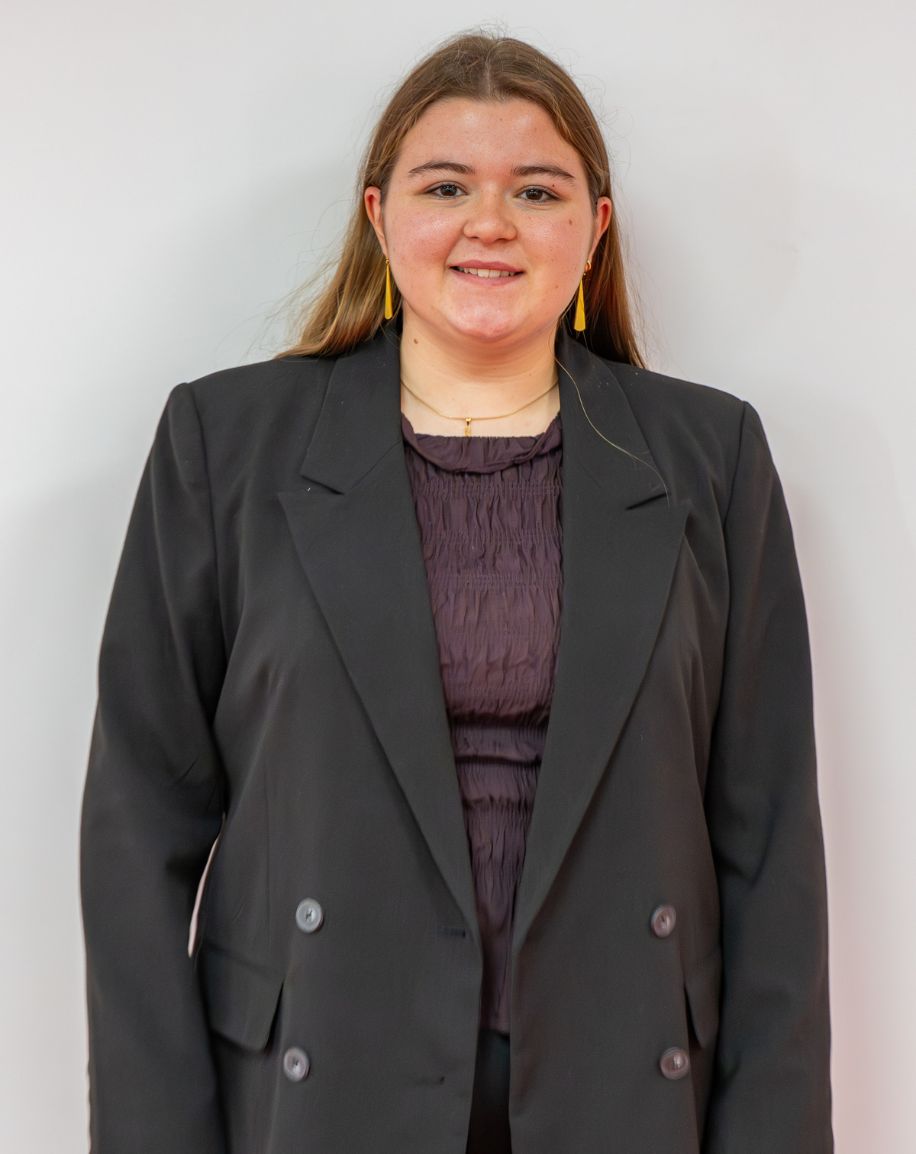
Aina de la Iglesia Avilés
Culture and languages commission representative (Cat)

Mousslihou Imame
Member (Occ)
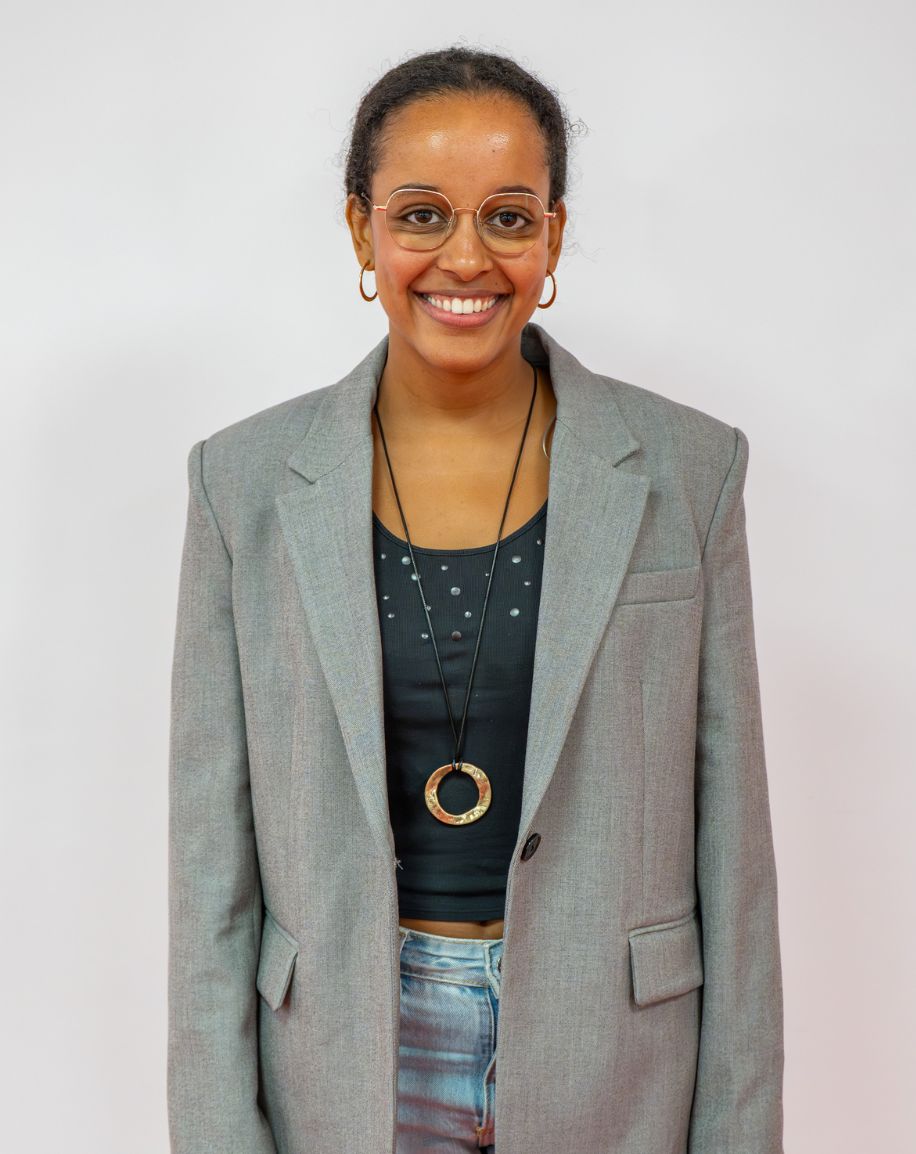
Gabriella León Lozano
Member (Cat)
Lisa Moreno
Member (Occ)
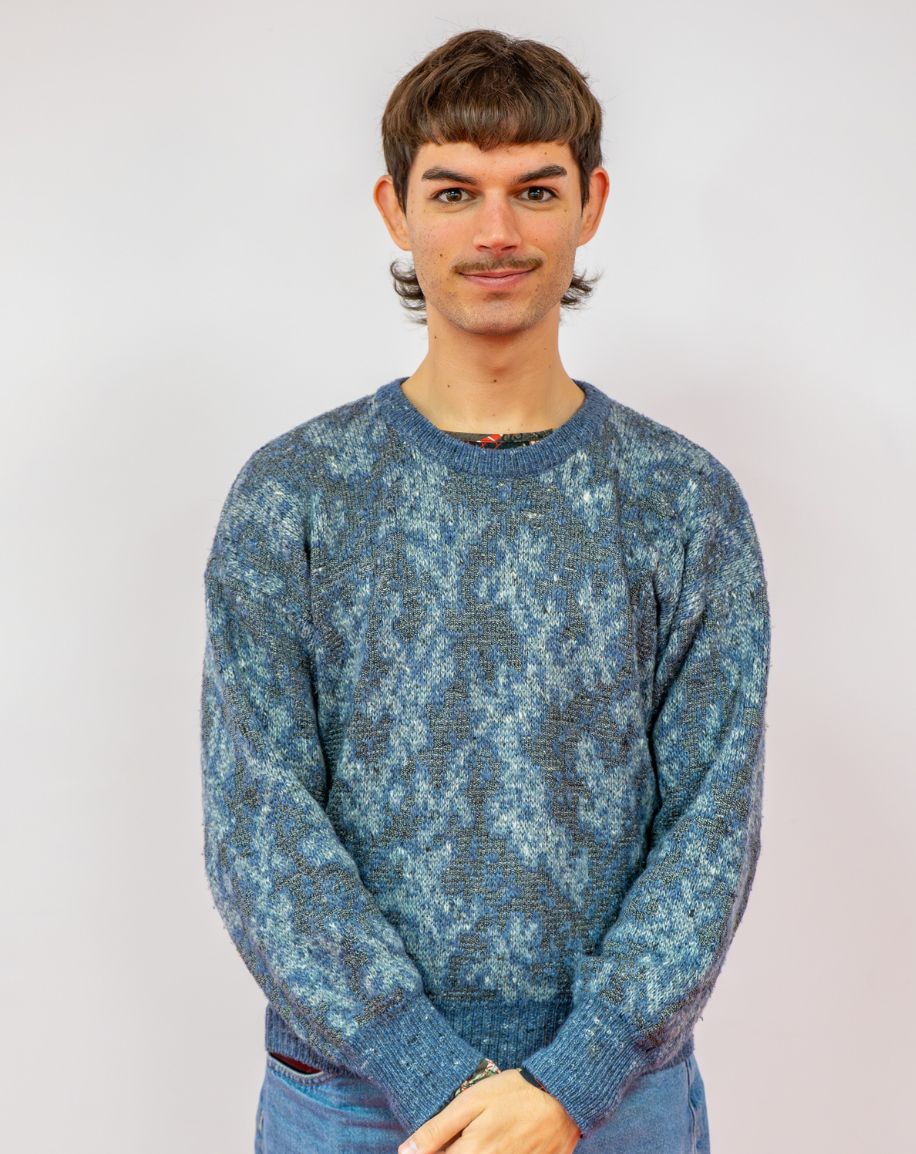
Josep Oliver Juan
Member (BI)
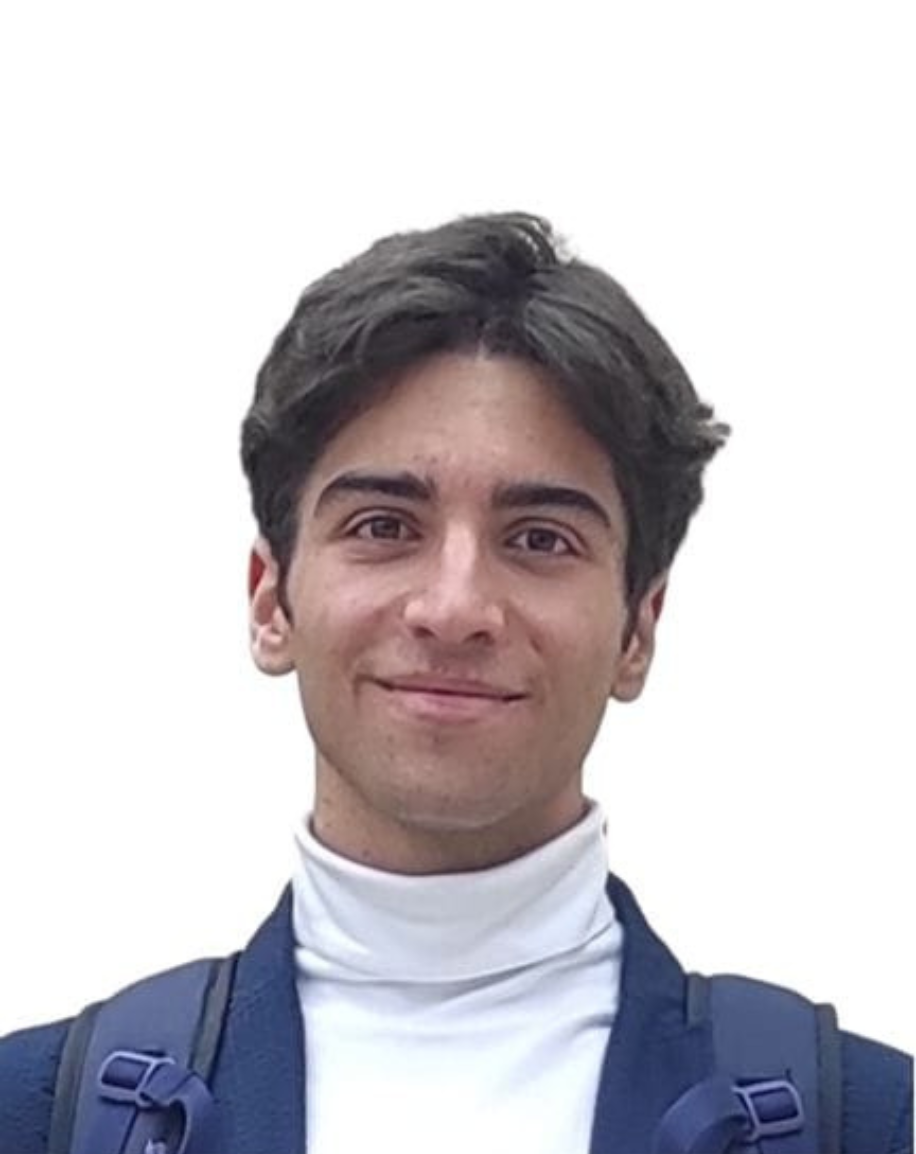
Daniel Rodríguez Salvañá
Member (Occ)
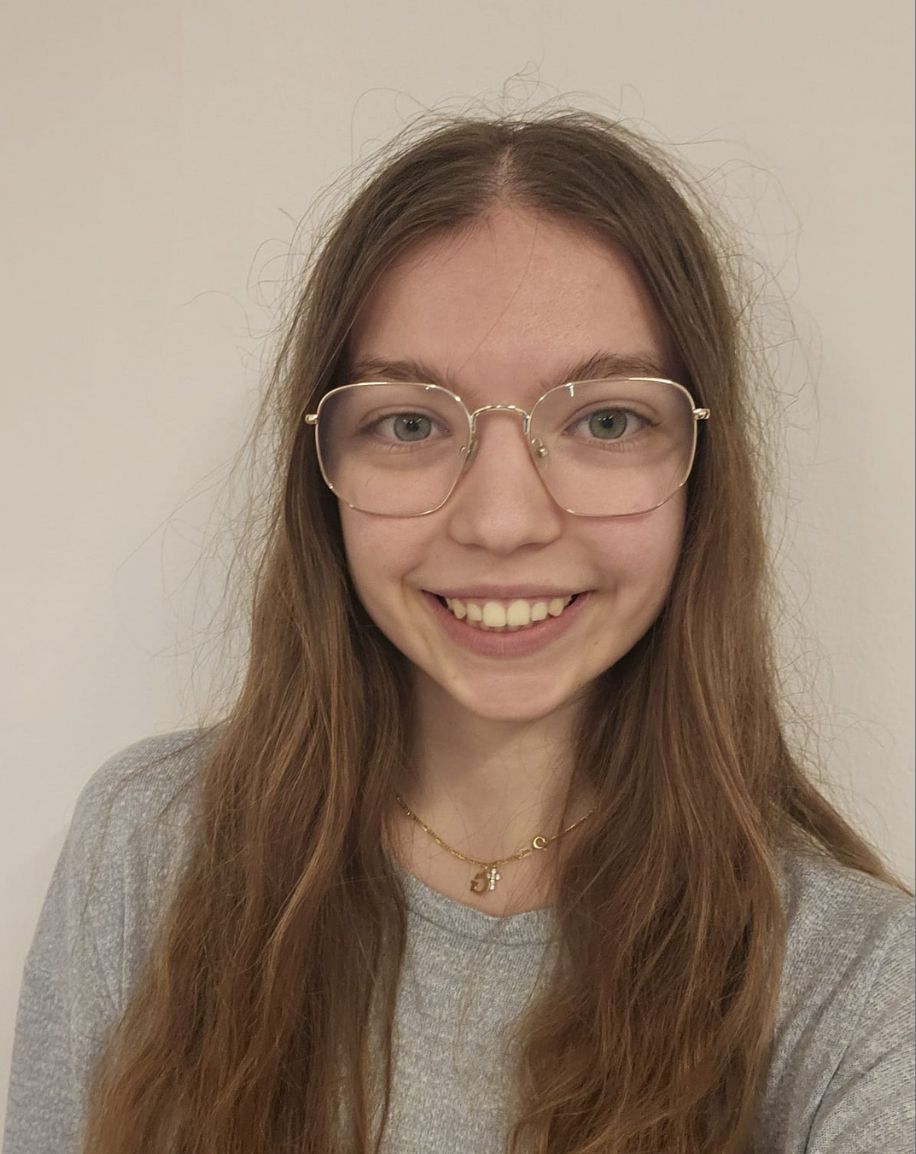
Jessica Sara Stoica Nedelcu
Member (IB)
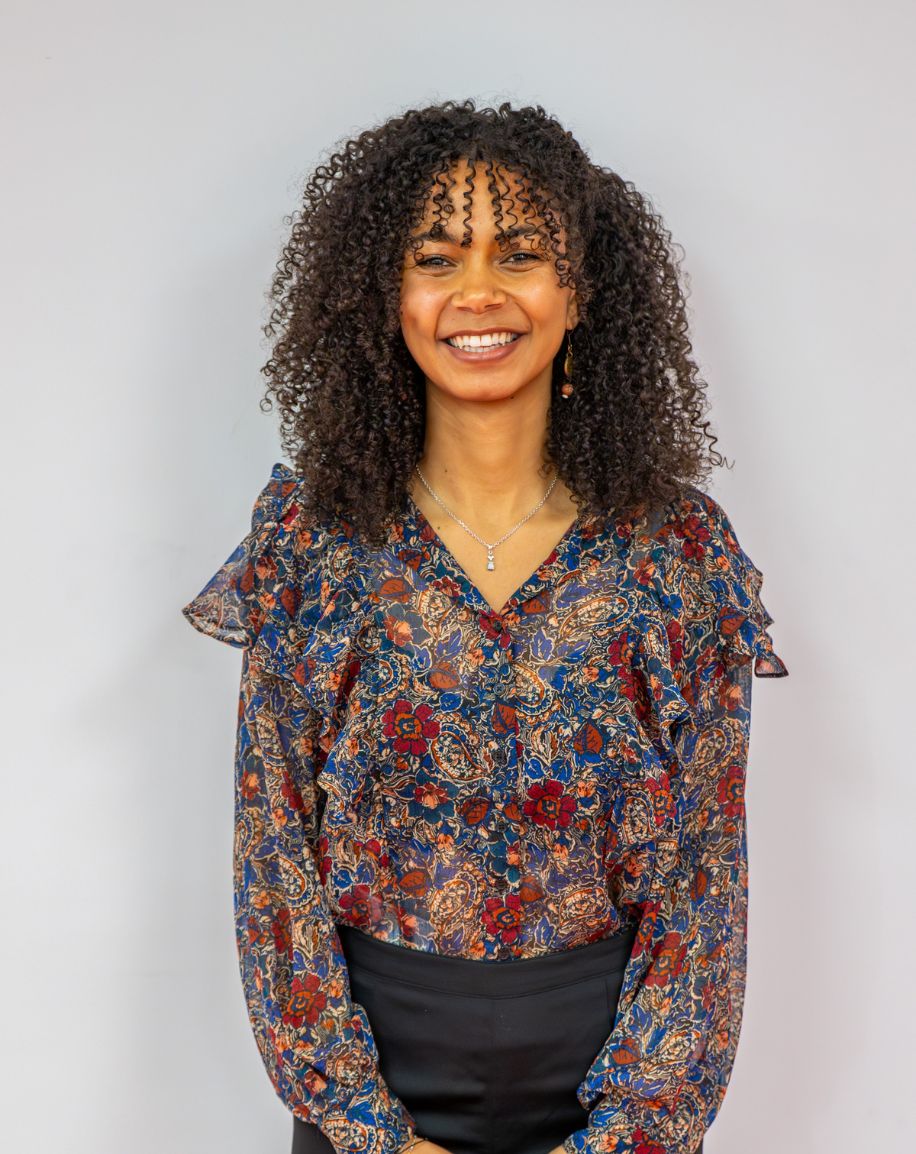
Emilie Tamo Kamguia
Environment commission representative (Cat)